The UK has been accused of breaking a promise to provide significant foreign aid to the Sudanese people blighted by civil war, after support reaching neighbouring South Sudan, which is hosting huge numbers of refugees, was slashed.
When it was announced last February that the UK would cut its aid budget from 0.5 to 0.3 per cent of gross national income, the crisis in Sudan was cited as one of several priority regions, alongside Ukraine and Gaza, that the UK would continue to support.
Since then, the crisis in Sudan has continued to spill over to its neighbours. More than 150,000 people have been killed in the conflict, which started in 2023, and more than 12 million have been forced from their homes.
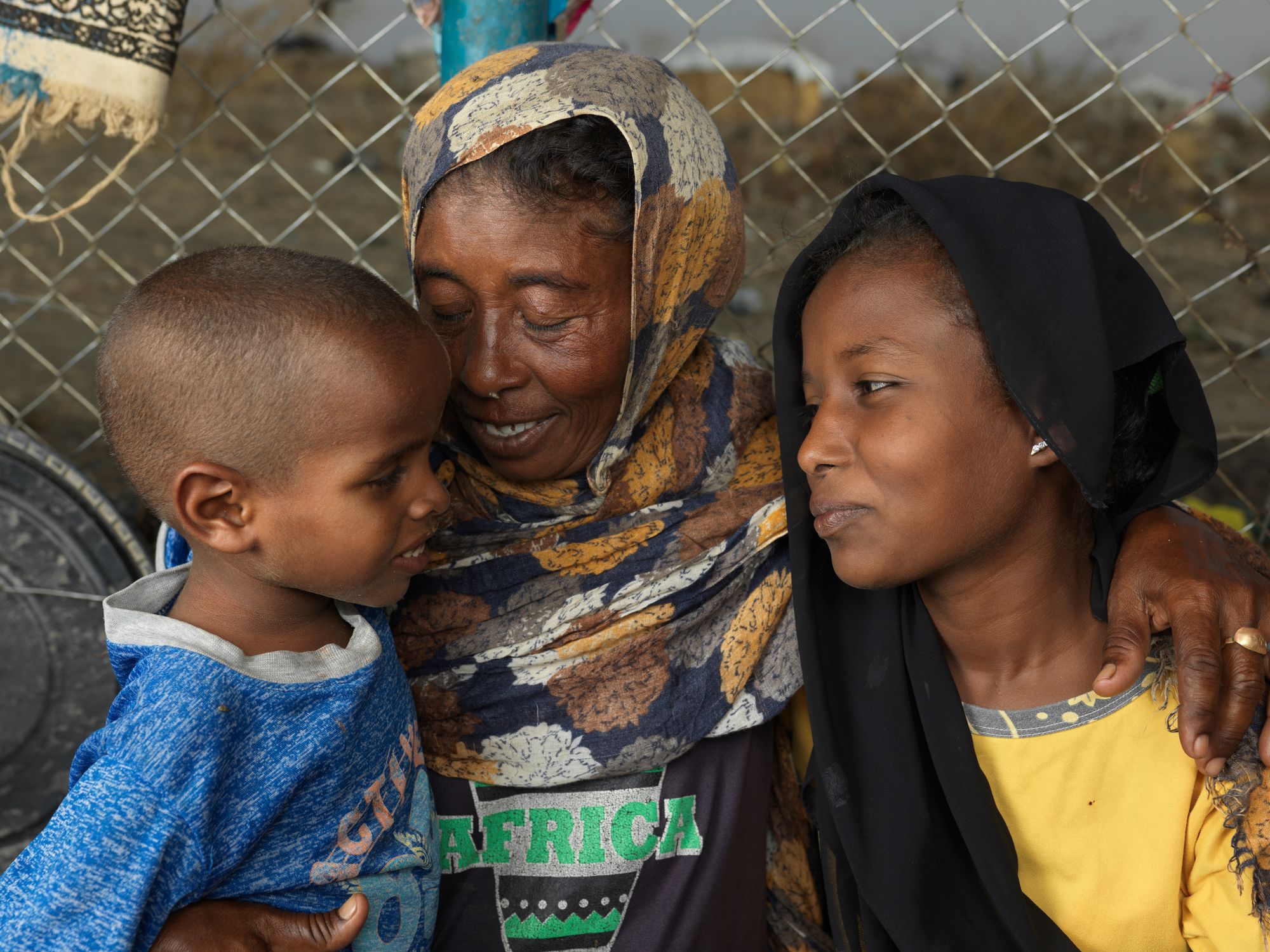
The latest data indicates that 1.3 million people have arrived in South Sudan seeking safety. Yet, this year, the amount of aid received was its lowest since the country’s establishment in 2011.e UK has slashed aid to South Sudan by more than 40 per cent, from $131m (£97m) in 2024 to $75m (£56m) in 2025, according to data tracked by the United Nations Office for the Coordination of Humanitarian Affairs (OCHA).
Other major donors to cut aid include the US – slashed from $708m to $283m – and Germany – from $102m to $63m – according to OCHA.
“Humanitarian aid is a lifeline for people in South Sudan, and neither the system nor the people were at all ready for these cuts,” Shabnam Baloch, country director for Oxfam South Sudan, told The Independent.
“As I have travelled around, engaging a lot of different donors to provide more money, I have found there is a lot of donor fatigue, with many arguing that they have poured billions into the country with too few apparent results.
“But even if South Sudan might look like
Conditions are expected to decline even further next year as cuts from countries like the UK really bite. Humanitarian groups in South Sudan are set to enter a state of “hyperprioritisation”, says Ms Baloch, as funding for ongoing, less-acute needs is overlooked and only people with the “most extreme needs” are helped.
“This year we were able to support 770,000 people, but next year we are going to be able to support less than half of that,” says Ms Baloch. “We are supporting everything from food distribution to sanitation. Nobody else is going to be able to fill the gap left by us, so people really are going to suffer.”
On the question of whether international donors like the UK should be supporting South Sudan as a part of their Sudan response, Shabnam Baloch is unequivocal: the spillover into neighbouring countries should be seen as part of the overall response to the humanitarian crisis in Sudan.
“When donors, including and in particular the UK, talk about the Sudan crisis, they should be taking a regional approach,” she says. “These other neighbouring countries, including Chad and South Sudan, are both already in a state of crisis, and do not have capacity to deal with refugees on their own.
In response to the claims made in this article, the Foreign Secretary, Yvette Cooper, said: “The UK will always stand with the innocent civilians of Sudan caught in the middle of this appalling conflict and humanitarian crisis, and the prime minister’s commitment to protect that support for Sudan remains unchanged.
“This year alone, we have committed over £146 million, and since the conflict began, UK aid has delivered lifesaving support to over one million people, treating children with severe malnutrition, providing water and medicine, and supporting survivors of rape.
“We will continue to do everything we can to end this conflict and get humanitarian relief to the millions desperately in need.”
’The population is just continuing to increase’
Stories from the Renk transit centre, a refugee processing centre in the Upper Nile state of northern South Sudan, help illustrate how severe the impact of aid cuts has been on the plight of refugees coming across the border from Sudan.
At the start of December, an estimated 44,000 refugees and returnees were being housed in Renk, including more than 11,000 people in the transit centre itself, which is several times more than it was designed to hold.
Facilities are seriously overstretched, with only one clean water tap for every 433 people – well outside the accepted humanitarian standard of 250 – and health problems are rampant.
“The population is just continuing to increase day after day and everyone is just facing so many challenges, from getting enough food to eat, to accessing materials or poles to build a shelter,” Sirivanos Manjera, Oxfam’s programme manager at Renk, told The Independent.
The International Organisation for Migration had been unable to provide onward transportation assistance for new arrivals for the previous fortnight, said Mr Manjera, meaning that new arrivals were staying longer than the two weeks for which the World Food Programme provides rations on arrival. Stories of theft, drug abuse, and gender-based violence are widespread.
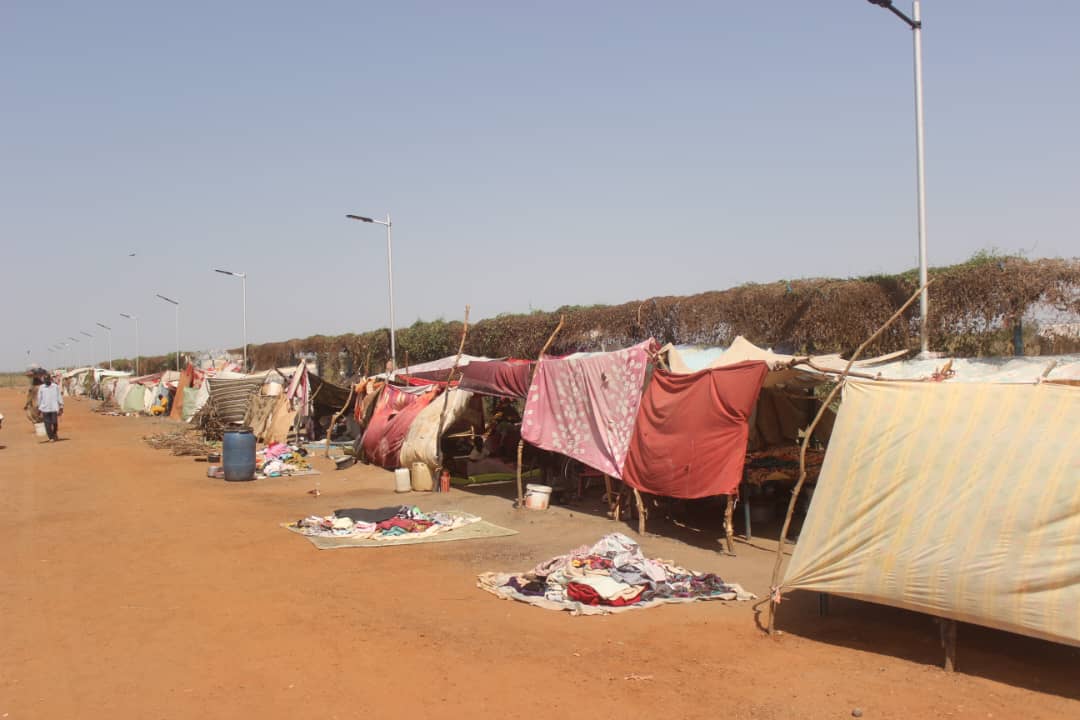
A number of organisations, particularly in the health sector, have had to completely close their operations as a result of aid cuts. Oxfam itself, which runs sanitation and water services at the Renk site, was nearly forced to withdraw last month because of a lack of funds.
At the same time, the number of cleaners in the transit centre has been cut from 40 to 15, and the maintenance team has been cut from 10 to five, says Mr Manjera.
With health centres lacking protective equipment and soap, aid workers are struggling to halt the spread of infection. There have been more than 1,500 cases of cholera, which broke out in October 2024, with 14 cases recorded in the first week of this month alone.
Hepatitis E, which is spread through contaminated food or water, is also rampant, with 1,131 cases overall, and nine cases in the first week of December. “It is very hard for us to bring these diseases under control, given the constant influx of people,” says Mr Manjera.
Things are complicated further by climatic impacts, including the threat of floods, which this year displaced around 300,000 people across South Sudan, as well as extreme heat.
At the time that Oxfam spoke to The Independent, the system of small reservoirs that Renk inhabitants rely on for their water supply during the dry season was evaporating at such a rate, due to the intense heat, that it is currently to run dry by the end of January, rather than lasting to June as normal.
If that happens, NGOs will be forced to spend huge amounts trucking bottled water across to ensure there is enough water, says Mr Manjera.
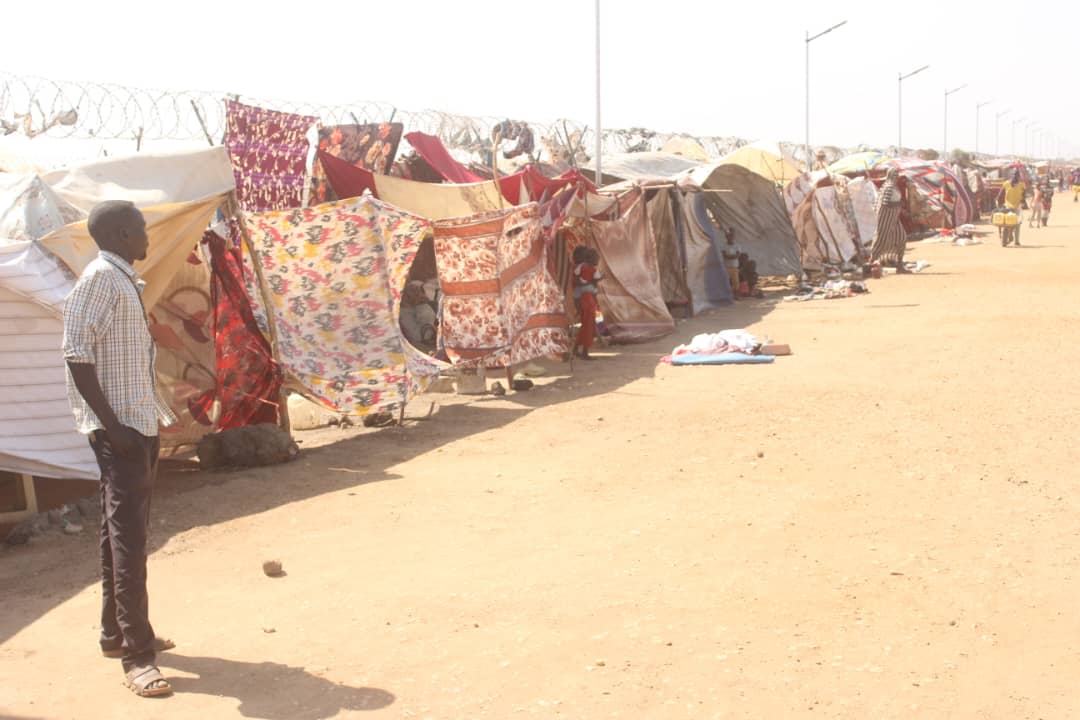
The desperate, life-threatening conditions are being experienced by people who have already been through extreme trauma before reaching Renk.
“I watched my husband being killed in front of me and the kids. Everything after that [on the way here] – the abuse, the roads, the endless hunger – it was just dust in my eyes,” said one woman in Renk.
“I learned to bargain with the cruellest men at every single checkpoint, selling my dignity piece by piece just to buy my children another mile of safety. I didn’t arrive here: I fought my way here, carrying the weight and five lives in my empty hands.”
Another woman said: "I am only 21, but I feel like I've lived a lifetime of running. First, running from the bombs, then running from the people who threw us out. I should be dreaming about my future, but instead I carry the future of four scared little faces on my back. My childhood ended the day they pushed us across the border to Renk.”
The influx of refugees comes against the backdrop of conditions in South Sudan already being difficult for many.
More than 80 per cent of the population lives in poverty, up from around 50 per cent at the country’s creation in 2011. The UN estimates that around half the population – six million people – are living through extreme hunger right now, and there is a real risk of pockets of the country slipping into famine in the coming months.
In recent months there has been a resurgence in fighting across South Sudan. Some 445,000 people have been forced to flee their homes this year, and nearly 1,000 weapon-wounded patients have been treated in hospitals supported by the International Committee of the Red Cross, which has added its voice to warnings that aid cuts are driving essential services to “breaking point”.
This article was produced as part of The Independent’s Rethinking Global Aid project The Independent