Blistering temperatures exacerbated by high humidity are not just uncomfortable but dangerous. Across Canada, and in communities throughout Southwestern Ontario, rising temperatures are affecting people’s health in profound and uneven ways. New research led by the University of Waterloo Climate Institute is calling for urgent, equity-focused action to address public health risks from extreme heat.
Heat records were broken on every continent in 2022, the highest global temperatures in over 100,000 years were recorded in 2023, and average global temperatures exceeded 1.5°C for the first time in 2024.
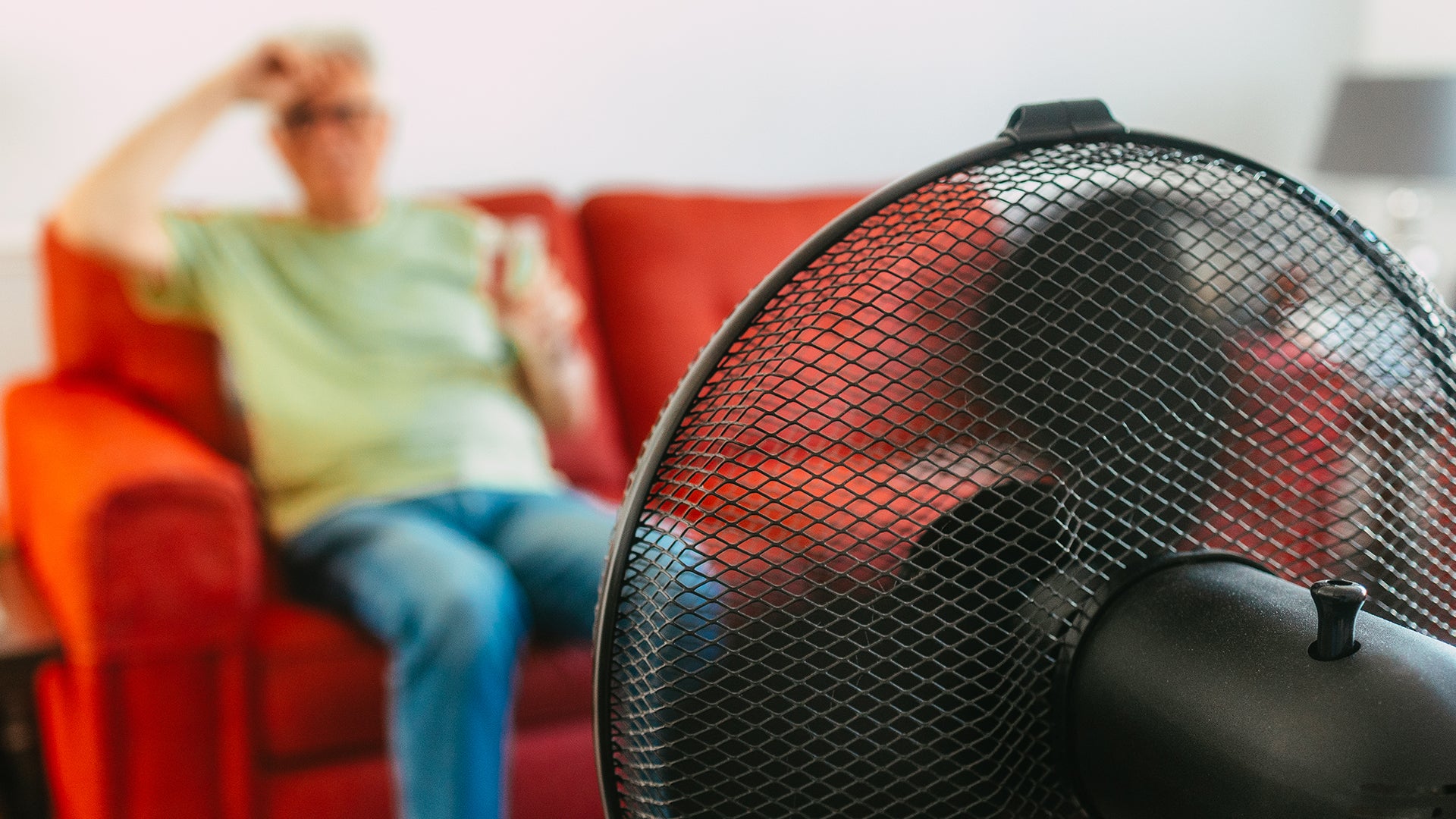
Developed in partnership with Southwestern Public Health, A Policy Guide of Best Practices: Addressing Extreme Heat Through a Health Equity Lens brings together international research, Canadian case studies and regional expertise to help communities respond to one of the fastest growing climate risks. While extreme heat affects everyone, it does not affect everyone equally.
“We know that extreme heat is already an important climate health risk in Canada, and it’s only going to become more significant,” says Yuki Yeung, a PhD candidate in the Faculty of Environment and lead author of the guide. “It affects everyone, but the health impacts are not evenly distributed. Certain populations, such as older adults, children and outdoor workers, face higher exposure with fewer resources to cope.”
Heat is already the leading cause of weather-related deaths in Canada, and climate change is increasing the frequency, intensity and duration of extreme heat events. In Southwestern Ontario, hotter days, warmer nights and prolonged heatwaves are becoming more common, with neighbourhoods lacking tree cover or modern infrastructure at greater risk.

The health impacts can be severe, including heat exhaustion and heat stroke, worsening cardiovascular and respiratory conditions, and increased hospital visits. Older adults, young children, outdoor workers, people experiencing homelessness and those facing social or economic barriers are among the most vulnerable.
“Extreme heat affects everyone differently,” says Michelle Alvey, Health Promoter with Southwestern Public Health. “For some people, it’s uncomfortable. For others, especially those without access to cooling or with underlying health conditions, it can be life threatening.”
The policy guide, developed through the federally funded HeatADAPT project, offers practical, evidence-based recommendations for communities. These include strengthening heat action plans, expanding access to cooling centres and shaded spaces, improving housing and urban design, and implementing workplace protections.
“One of the biggest takeaways from this work is that because health impacts are uneven, adaptation needs to be place-informed,” Yeung says. “It’s not just about environmental interventions, it’s also about addressing social, structural and economic factors to reach those most at risk.”
Public health agencies also play a key leadership role, from improving housing standards and land-use planning to strengthening partnerships and preventive interventions.
“Adaptation doesn’t need to be perfect to be meaningful,” Yeung says. “Communities can start with the resources they already have and build from there.”
The partnership between the Waterloo Climate Institute and Southwestern Public Health combines climate expertise with local knowledge, helping ensure the recommendations are both evidence-based and practical.
“Research like this shows how we can move beyond analysis to action,” says Jose DiBella, Manager of Research and Partnerships at the Waterloo Climate Institute. “Protecting people from extreme heat starts with designing inclusive policies and systems that support health and resilience.”
The work aligns with Waterloo’s Global Futures framework by addressing climate change as both a health and societal challenge and emphasizing community-centred solutions.
As temperatures continue to rise, proactive planning can save lives. Heat-related illness and death are largely preventable with the right preparation and support.
“We need to take a proactive approach,” Yeung says. “That means planning ahead and strengthening community connections so people can support one another.”
“For individuals, it’s also about awareness and care for others,” she adds. “Checking in on neighbours and supporting vulnerable people can make a real difference during extreme heat events.”
The researchers would like to acknowledge the generous funding and support from Health Canada’s HealthADAPT program. Without this contribution, this work would not have been possible. The researchers also wish to thank the members of the project’s Expert task Force (comprised of representatives from Public Health and community stakeholders across the study area) and those who participated in engagement processes to better understand health risks posed by climate change locally. The views expressed herein do not necessarily represent the views of Health Canada. University of Waterloo